
Build an approval‑ready credit profile
Understand what’s driving your credit decisions, identify items that may be unfair or inaccurate, and take a structured next step toward stronger approvals and better terms.
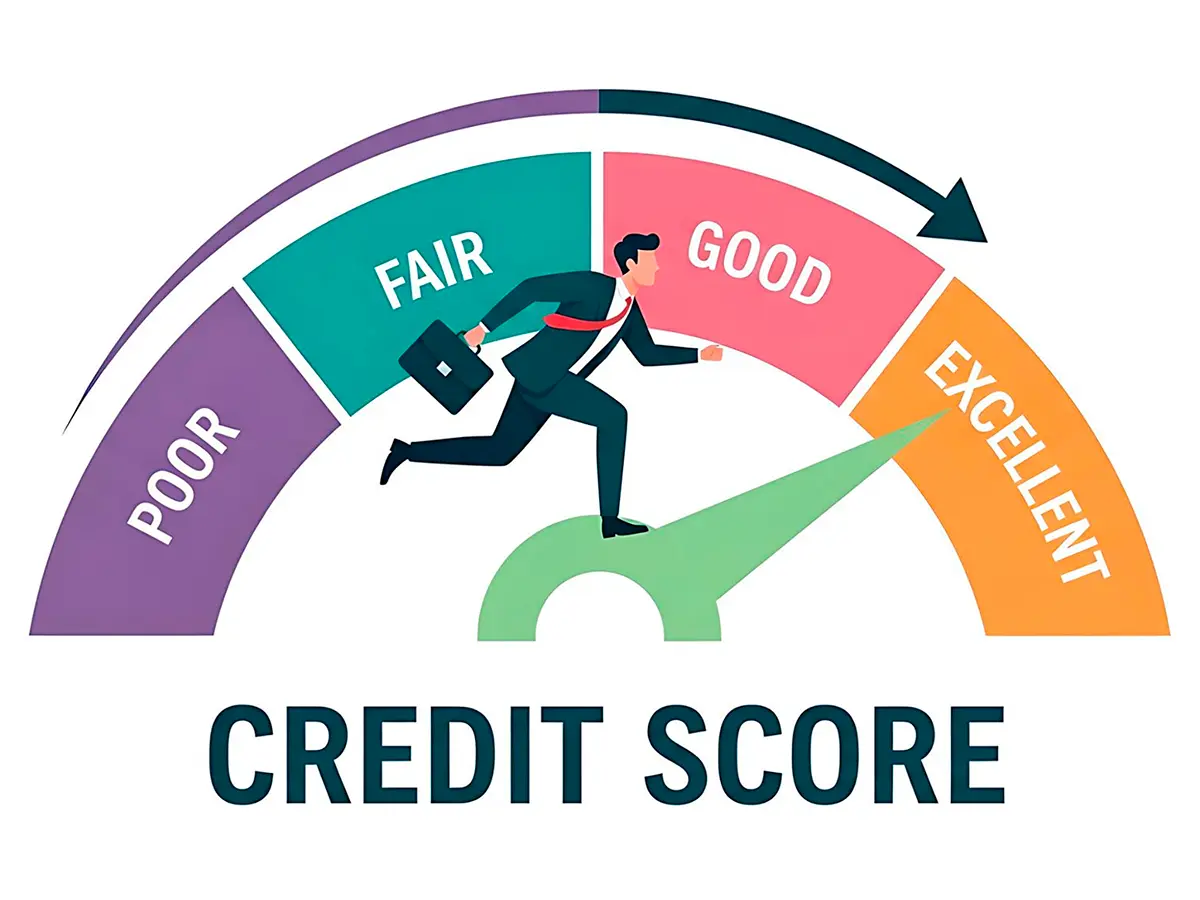
Built around established U.S. credit reporting practices and dispute procedures under the Fair Credit Reporting Act (FCRA). No unrealistic promises—just clarity, documentation, and structured credit improvement.
Unlock more options
Choose the outcome you care about. We’ll outline what improves it—and what to watch for—so you can move forward with confidence.
Your path to stronger credit
A stronger credit profile can mean better approval odds, improved loan terms, and more financial flexibility. Get a clear, no-fluff overview of what credit improvement can help you achieve — then take the next step when you're ready.
Credit decisions in the U.S. are typically influenced by payment history, utilization ratios, account age, recent inquiries, and the accuracy of reporting across major credit bureaus.
Even small inconsistencies can affect lending algorithms. A structured credit improvement approach focuses on verified data, responsible usage patterns, and consistent financial behavior.
*Results vary. This page does not guarantee outcomes.
How it works
A straightforward workflow used by reputable credit‑support programs: review, challenge what’s questionable, and build stronger habits while updates are processed.

Review your starting point
Clarify your goal and look at what’s currently affecting approvals and terms.

Identify what can be challenged
See what information is typically needed, what to expect next, and how the workflow usually looks.

Move forward
Continue to explore available options and take the next step toward better credit outcomes.
how to fix my own credit the steady, frugal way
Start with clarity
Trust begins with knowing your numbers. Pull free reports from Equifax, Experian, and TransUnion at AnnualCreditReport.com. Scan names, addresses, accounts, limits, and payment history. Note anything that looks off, even small date mismatches.
- List every balance, interest rate, due date, and minimum.
- Check your score from a reputable source; bank or card apps often provide it for free.
- Create a simple tracker: balance today, target utilization, and a monthly plan.
Clean up mistakes
Dispute inaccuracies with each bureau reporting the error. Include copies of statements, IDs, and a short, factual summary. They usually reply within 30 days. If it smells like fraud, place a free fraud alert or consider a freeze while you sort it out.
Lower utilization fast
- Pay cards before the statement closes so the reported balance is smaller.
- Split payments across paychecks; two smaller hits feel lighter than one big one.
- Ask for a credit limit increase without a hard pull; if they require one and you're rebuilding, pass for now.
- Shift recurring subscriptions to debit until your ratios improve.
- Balance transfers can help, but watch fees and promo deadlines.
Build an on-time streak
Set autopay for at least the minimum on every account. Then add manual top-ups toward your priority debt. Keep old accounts open if they're clean and cheap to keep. Avoid fresh applications while scores are fragile.
Small builders that work
- Secured card: Use lightly, pay in full monthly.
- Credit-builder loan: Small fixed payments build history and a savings cushion at the end.
- Rent/phone reporting: Adds positive trade lines when available.
- Authorized user: Only if the primary has low utilization and perfect payments.
Tackle debt with purpose
Choose one path and stick to it: avalanche (highest APR first) saves the most; snowball (smallest balance first) builds momentum. Consistency beats intensity.
Talk to creditors
Plain, early conversations save money. Ask about hardship plans, interest reductions, or due-date moves. A short goodwill letter after a cured late can help. Real moment: on a Tuesday lunch break, I called my card issuer, moved my due date to payday, and politely asked for a one-time late-fee waiver after 12 on-time months - the $39 vanished, and the new date stopped future stumbles.
Protect your progress
- Set balance and payment alerts.
- Stash a small emergency fund so surprises don't hit the card.
- Don't co-sign while rebuilding.
- Review reports quarterly and celebrate small wins.
Timeline and expectations
Utilization fixes can show within 30 - 90 days. Six to twelve months of perfect payments usually lift scores steadily. A year or two can transform a profile. Scores wiggle; your habits should not.
Cost-conscious checklist
- Free reports and disputes first.
- Autopay minimums, then extra to your top target.
- Early payments to trim reported balances.
- Consider one low-cost builder tool if needed.
- Keep notes and review quarterly - adjust as life shifts and opportunities appear.
Ready to Buy a House & You Don't Know Where to Start? Start Here! My FREE Download: https://bit.ly/3QWqfbq Do Not Buy a House without My ...
Credit repair, which involves disputing unsubstantiated or inaccurate information on your credit report, can be used to address a collection if ...
You cannot remove correctly reported negative information on your credit reports. - Focus on building positive history on top of negative marks.
Frequently asked questions
A clear next step — without the guesswork
See what’s impacting approvals and what may deserve a closer look.
Understand how disputes are structured and what documentation matters.
Improve utilization, consistency, and long-term credit stability.
See what improving your credit could change
Take a structured next step based on your current profile — and decide with clarity.